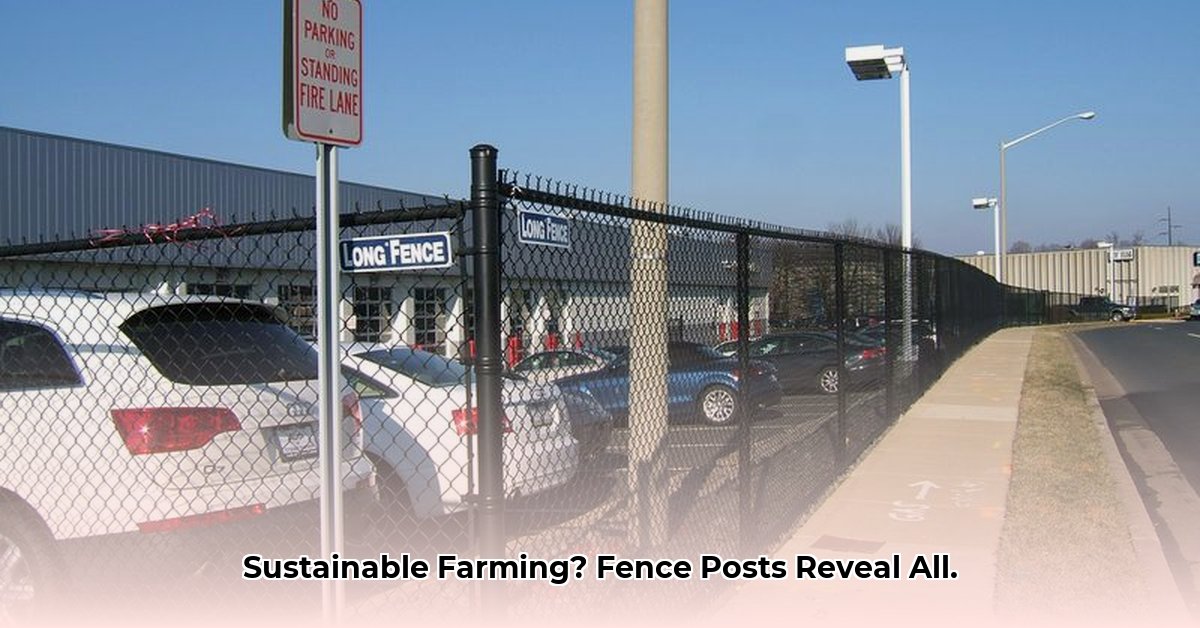
Building a sturdy and long-lasting fence for your farm is a significant investment. This guide focuses on using chain link fence posts from Tractor Supply, providing a step-by-step approach to building a sustainable and effective fence. For more information on Tractor Supply products, check out this helpful resource.
Choosing Your Tractor Supply Chain Link Fence Posts: A Smart Start
Before you begin digging, careful planning is crucial. The type of post you need depends on several factors:
- Livestock: What animals are you containing? Heavier-duty posts are needed for strong animals like hogs, while lighter-duty posts might suffice for chickens.
- Budget: Galvanized steel is a common and cost-effective option, but its lifespan impacts its overall environmental cost. A longer-lasting, more expensive post might be a more sustainable choice in the long run.
- Durability: Thicker posts (higher gauge) are stronger and last longer, minimizing replacements. However, this increases the initial cost. Consider the balance between upfront cost and long-term savings.
Visiting your local Tractor Supply store allows you to examine available options and get expert advice. Don't hesitate to ask their staff for guidance on choosing the right posts for your specific needs.
Installing Your Tractor Supply Chain Link Fence Posts: A Step-by-Step Guide
With your posts selected, let's move on to installation. Follow these steps for a successful fence build:
Step 1: Planning and Measurement: Precisely measure your perimeter and mark your fence line with string or paint, ensuring a consistently level line. This precise planning will greatly improve efficiency and effectiveness. A slightly uneven fence reduces its overall effectiveness.
Step 2: Digging the Holes: Hole depth depends on soil type, post height, and local building codes. Consult Tractor Supply or your local regulations for guidance. Aim for consistently sized, straight holes, using a post hole digger to streamline the process. Generally, at least one-third of the post's length should be buried.
Step 3: Setting the Posts: Carefully position each post, ensuring it's perfectly plumb (vertical). Use a level to check the verticality of each post, and adjust as necessary. Fill the hole with gravel, compacting it to prevent settling. Consider concrete for extra stability, especially in challenging soil types or high-stress areas.
Step 4: Attaching the Wire: Attach the chain link mesh according to the manufacturer's instructions, paying close attention to wire tension. Maintaining even tension is vital for fence strength and longevity.
Step 5: Tensioning the Wire: Use a proper tensioning tool as specified by the manufacturer to ensure optimal wire tension. Uneven tension is a common cause of fence failure.
Step 6: Finalizing Your Fence: Install end posts and tension wires to add stability and prevent sagging. Additional components, like corner posts, may be needed depending on the fence line's shape.
Maintaining Your Fence: Proactive Care for Longevity
Regular maintenance significantly extends your fence's lifespan. Conduct annual inspections (more frequent in harsh climates) checking for:
- Corrosion: Look for signs of rust or deterioration.
- Loose Wires: Tighten any loose wires promptly.
- Damaged Posts: Repair or replace any damaged posts immediately and prevent further damage.
Consider power washing the fence to remove debris, which can accelerate deterioration. A consistently clean fence promotes a longer lifespan and provides improved aesthetics.
Environmental Considerations: Sustainable Farming Practices
While chain-link fencing offers numerous advantages, its production has an environmental impact. Steel production is energy-intensive. However, a well-maintained fence that lasts for years minimizes waste from frequent replacements. When it's time for replacement, explore recycling options or opt for posts containing recycled steel. Small conscious choices make a big difference in promoting environmental sustainability.
Advantages and Disadvantages of Tractor Supply Chain Link Fence Posts
| Advantages | Disadvantages |
|---|---|
| Relatively inexpensive | Requires regular maintenance |
| Easy to install and maintain | Susceptible to rust and corrosion |
| Durable and long-lasting with proper care | May not be suitable for all livestock types |
| Versatile and adaptable | Environmental impact from manufacturing process |
Mitigating Potential Risks
Poor installation or maintenance poses several risks. Substandard materials lead to premature failure, increased costs, and potential hazards. Meticulously follow installation guidelines to avoid problems. Improper installation increases the risk of animal injury or escape. Maintaining good tension and promptly addressing damage is crucial for safety and effectiveness. Plan for the responsible disposal of old fence posts.
Choosing Sustainable Chain Link Fencing Materials for Livestock: A Detailed Approach
Before purchasing posts, consider your specific needs:
- Livestock Type: Different animals require different fence strength and height.
- Budget: Balance initial cost with long-term maintenance needs and lifespan.
- Terrain and Climate: These factors affect post selection and longevity.
Consider these materials:
- Steel Posts: Galvanized steel offers better corrosion resistance; recycled steel is more sustainable.
- Post Gauge: Thicker posts (higher gauge) offer superior strength and longevity.
- Coatings: Powder coatings add extra corrosion protection and enhance appearance.
Remember that proper installation and regular maintenance are crucial for maximizing the lifespan of your fence and minimizing its environmental impact. Responsible disposal (recycling) at the end of its lifespan is also vital for sustainable farming practices.
Tractor Supply Chain Link Fence Post
Content about tractor supply chain link fence post (Auto-generated fallback due to API error).
Tractor Supply Chain Link Fence Post
Content about tractor supply chain link fence post (Auto-generated fallback due to API error).